



Dear High Representative,
Dear Ministers of Foreign Affairs,
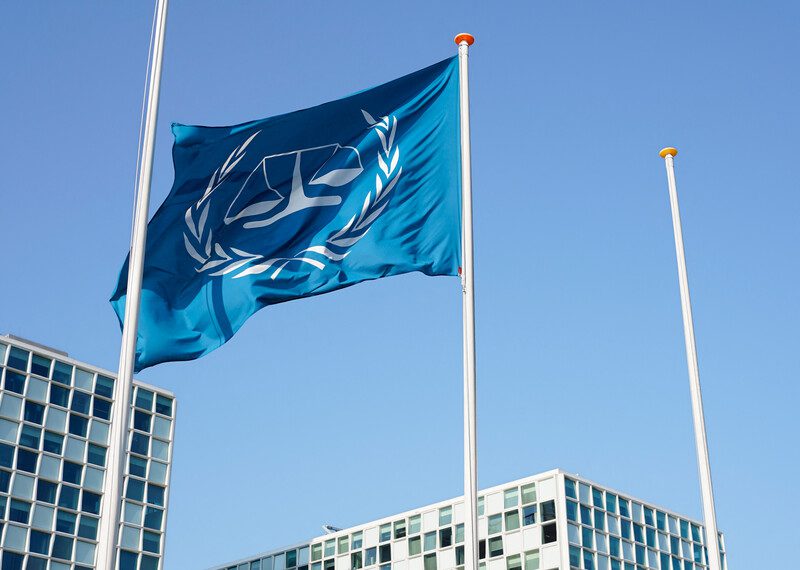
We write in relation to the sanctions imposed by the United States against the International Criminal Court (ICC) on Friday 9th October 2026.
The sanctions imposed against the ICC represent a profound escalation in attacks on international justice. The US administration has made clear that it seeks to destroy the ICC and the Rome Statute system. These measures are designed to intimidate and isolate the Court and those who cooperate with it, ultimately undermining or even destroying its ability to pursue accountability for genocide, crimes against humanity and war crimes.
These measures constitute a direct attack on the independence of the Court, the integrity of the Rome Statute system, and the rights of victims who depend upon the Court for truth, justice and reparations.
We urge the EU and its member states to act urgently to mitigate and block the effects of these sanctions and to protect the Court as it pursues justice independently and impartially across all situations before it.
Without urgent and immediate measures from the EU, its member states, and from the Assembly of States Parties, the consequences for every investigation and case before the Court could be dire. Victims across all situations before the Court face severe damage to their prospects of justice, including victims in situations in Ukraine, State of Palestine, the Philippines; Venezuela; Darfur; Afghanistan; and every other situation before the Court.
States Parties to the Rome Statute, including the European Union (EU) and its member states, must not be silent in the face of these attacks. Claims of support for international justice must now be demonstrated through action to protect the Court and those who cooperate with it.
The Court depends on access to essential services, including banking and financial services, insurance, information technology infrastructure, communications services and other operational support. States should take all appropriate measures to help ensure that sanctions do not disrupt the Court’s ability to function or isolate those who cooperate with it.
The EU should also urgently adopt legal and practical measures to mitigate and block the effects of sanctions on the Court within its jurisdiction. By expanding the European Union Blocking Statute to cover sanctions directed at the ICC and those cooperating with it, the EU can prohibit compliance with these sanctions, prevent their recognition or enforcement, and protect those who continue to engage with the Court.
The US government’s explicit intention to protect Benjamin Netanyahu from the prospect of an ICC proceeding is a stark example of what is at stake. These sanctions are intended to shield a close ally, as well as the United States and its own nationals, from scrutiny and accountability, and to place powerful states and powerful individuals beyond the reach of justice.
The stakes could not be higher. The US administration has made clear that it seeks to destroy the ICC and the Rome Statute system. States that claim to support international justice must now move beyond expressions of concern and take concrete steps to protect the Court, support its work, and ensure that these attacks do not succeed.
Amnesty International is also deeply concerned by suggestions that the appropriate response to the USA’s sanctions ultimatum is ‘dialogue’ with the United States or consideration of Court ‘reforms’ to accommodate its demands. It is clear that the price sought by the United States for lifting these sanctions is for the Court to halt or restrict work that the US opposes, particularly in the situation in the State of Palestine, and to revisit fundamental jurisdictional provisions of the Rome Statute, including the Court’s jurisdiction over nationals of non-States Parties who commit crimes within the territory of a State that has accepted the Court’s jurisdiction. These demands strike at the heart of the Court’s independence and impartiality. The EU, its member states and the Assembly of States Parties should reject any suggestion that the Court’s mandate, jurisdiction or independence are matters for ‘dialogue’ or political negotiation. Any willingness to even consider, let alone seriously entertain such concessions in exchange for relief from sanctions would be deeply misguided and could seriously undermine both the Rome Statute and the foundational principles on which the Court is built.
Accordingly, we call on the EU and its member states to:
- Publicly and unequivocally condemn the sanctions imposed against the ICC and those who cooperate with it;
- Reaffirm its commitment to protect and strengthen the Rome Statute system and the independence of the Court;
- Oppose any ‘dialogue’, ‘reforms’ or concessions founded on the USA’s opposition to the Court’s independent and impartial mandate to conduct investigations where it has territorial jurisdiction and recognize that an apparent willingness to consider such ‘dialogue’ or concessions would very seriously undermine the Rome Statute and the foundational principles of an independent and impartial ICC;
- Reject attempts to pressure the Court into abandoning investigations, narrowing its jurisdiction or compromising its independence;
- Adopt legal and practical measures, including blocking statutes and other protective mechanisms, to mitigate or prevent the effects of sanctions within the EU and its member states’ jurisdiction;
- Recalling its January, March and June 2026 Council conclusions on Upholding International Law, the EU must immediately activate the EU Blocking Statute to prevent its operators – including banks and service providers – from complying with third country sanctions that violate international law. The ICC, its officials and those who cooperate with it – including civil society organizations – must be immediately and effectively protected from the impact of sanctions, and their unimpeded access to financial and other services secured. Once the European Commission has proposed the activation of the EU Blocking Statute, we urge the Council and the European Parliament to support its accelerated approval by waiving their two-months scrutiny period.
- Take all appropriate measures to ensure that the Court continues to have access to essential services and operational support;
- Increase political, diplomatic, operational and financial support to enable the Court to continue carrying out its mandate;
- Engage directly with the United States government, including through diplomatic demarches, bilateral meetings, and multilateral fora such as the United Nations, to press for the lifting of these sanctions and to oppose the imposition of any further sanctions against the Court or those who cooperate with it;
- Publicly commit to enforcing all ICC arrest warrants against individuals found within its jurisdiction, in accordance with its obligations under the Rome Statute;
- Support States Parties that face pressure to withdraw from the Rome Statute system or to cease cooperation with the Court; and
- Fully cooperate with the ICC, including through the execution of outstanding arrest warrants and compliance with requests for cooperation under the Rome Statute.
Thank you for your attention to this urgent matter. We stand ready to discuss these issues further and to support efforts aimed at protecting the Court, defending international justice, and safeguarding the rights of victims worldwide.